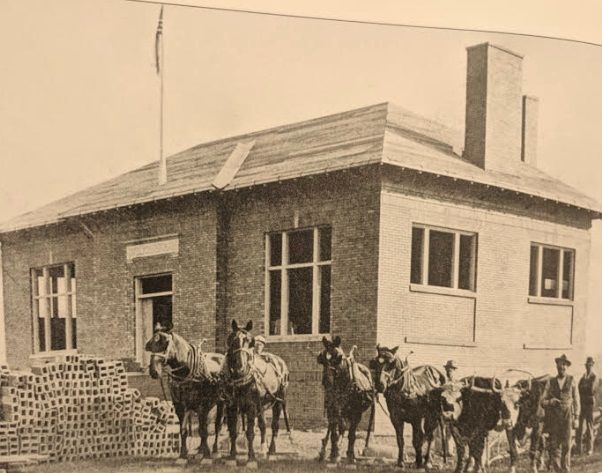
Ground was broken and construction began in 1913 at the Library's current location on Church Street
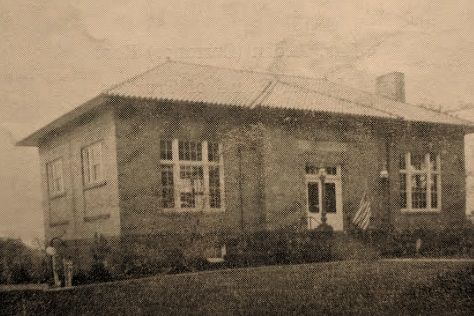
Kinsman is the proud home of a Carnegie library. Although groundbreaking did not start until 1913, the history of the library goes back even further. Early on, the people of Kinsman recognized the need and desire for an institute of public literacy. On February 16, 1885, a group of 161 residents met to form the Village Improvement and Library Association. The purpose of the association was clearly stated to include a provision for the creation of a library and reading room along with the plan to hold other cultural entertainment that would “exert an elevating and refining influence upon its members and the community.”
The first library opened its doors on December 12, 1885, installed in the back of the post office with a collection that numbered 70 books. Members of the association shared the title of librarian and opened it to the community a couple days a month. As interest and support for the library grew, the early library had to move often when the collection outgrew the space allotted for it.
In the summer of 1886, the library transferred from the post office to the upstairs of the Henry Building located at the corner of Elm Street and Main. It remained here for a short time before moving to the Grand Army of the Republic Building on Church Street. This was meant to be its permanent location, but after several years of success, it disbanded due to waning interest.
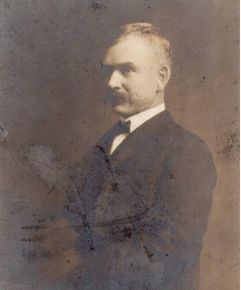
Despite this setback, one man never lost sight of the dream to have a permanent library in Kinsman. Frank Banning, a local philanthropist and gardener, saved the books from the original library and began collecting more from friends and neighbors. He was instrumental in opening a library in the basement of the Centralized School Building in 1903, which was later moved to the Specialized School in 1910 when it required more space.
In 1911, Banning began corresponding with Andrew Carnegie who was influential in funding public libraries at the time. A year later, an agreement was struck. Carnegie would provide $7,000 for the building construction, and the Kinsman Special School Board would furnish the land and an annual $700 for books and materials. Banning nearly matched the project cost with personal funds, and additional donations came from the community. After many years and many moves, it appeared the Kinsman Library would have a permanent home.
Plans for the Kinsman Free Public Library were drawn by architect Charles C. Thayer of New Castle, PA, and ground was broken in early 1913. Sadly, Banning passed away before construction was completed, but he will always be remembered as the founder of the library. A commemorative copper plaque and portrait of Banning hang in the library today as a constant reminder of his perseverance and accomplishment. Since then the Library has undergone numerous renovations, while still striving to retain its Carnegie-era charm in a 21st century world. Over the years, generations of families have utilized free library materials, attended enriching programs, and cherished the institution their predecessors worked hard to establish.
Frank Banning